Book Now

What photo equipment to take on safari


As an amateur photographer with seven years of experience in the bush, I’ve learned a few things about the best photo equipment to bring on a safari. While I can’t guarantee you won’t miss a shot or damage your camera, I hope my advice helps you capture amazing wildlife photos. While taking pictures in JPEG is fine, I prefer to shoot in RAW and use Lightroom for post-processing, as it lets me get the most out of my photographs.


Transporting Your Gear

I recommend using a small camera bag and keeping it in your hand luggage for transport. Large camera bags are great for professionals, but if you’re like me, you’ll want to avoid carrying too much stuff.


My Equipment

Here’s a rundown of the equipment I use:

– Canon EOS 1D X Mark II with EF lenses:

  – 14mm 1:2.8 L II USM

  – 16-35mm 1:2.8 L USM

  – 70-200mm 1:2.8 L IS III USM

  – 100-400mm f/4.5-5.6 L IS II

  – 200-400mm f/4 L IS USM Extender 1.4

  – Sigma EX 24-70mm 1:2.8 DG HSM

 – Canon EOS R5 with RF lenses:

  – 24-105mm F2.8 L IS USM

  – 100-500mm F4.5-7.1 L IS USM

  – Mount adapter EF-EOS R for using EF lenses on the R5


Practical Advice

This advice is based on my practical experience. Photoshops and professionals might argue you need more gear for specific situations, but you’ll want to focus on wildlife on a safari. Smartphones are great for family, events, and lodge photos, but you need the right camera gear for distant animals.

I don’t use prime lenses with long focal lengths. While a 400mm or 600mm lens produces excellent results, it’s limiting when animals move close to your vehicle. A zoom lens like 100-400mm or 100-500mm allows you to adjust quickly. Modern cameras have high resolutions so that you can crop images later.


Preferred Equipment

I use my DSLR or mirrorless cameras with lenses like 100-400mm, 100-500mm, or 200-400mm. My EF 200-400mm lens with a teleconverter gives slightly better pictures but is heavy and impractical to hold for long periods. Some lodges offer gimbals, but I prefer using a beanbag and shooting at high shutter speeds (around 1/1000) to capture sharp images. With 1/1000 handheld shots, it works fine even with your lens at max 500mm.


Settings and Techniques

As mentioned earlier, I prefer a shutter speed setting, and usually, I use 1/1000. But sometimes, when darkness comes, I start to reduce the shutter speed slightly and try to find support for my camera so as not to drive up the ISO too far. Birds in flight require higher shutter speeds, like 1/2000 seconds.

During the day in the open sun, I only use 100 ISO, but in changing conditions, I set my ISO to automatic and adjust the exposure compensation by one notch. This helps when transitioning between shade and sunlight. I limit my ISO to a maximum of 3200 to avoid grainy pictures. Check your results from time to time, as every camera is different.

My recommendations: For lodge and family photos, use your smartphone. For wildlife shots, use a 100-400mm or 100-500mm telephoto lens.


Photographic Hides at Ximuwu Safari Lodge

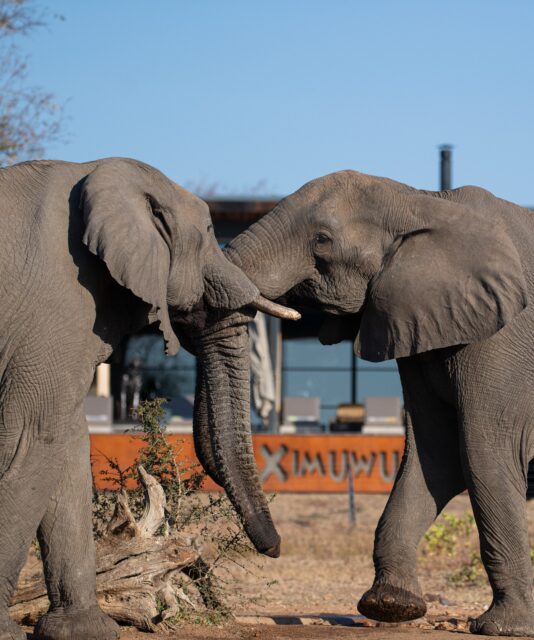
Ximuwu Safari Lodge offers two unique photographic hides. These hides provide a water-level vantage point, placing you just 8-10 meters away from animals as they come to drink. This allows you to capture stunning, eye-level shots that are truly unforgettable. 

While patience is required—such moments don’t happen in just 10 minutes—the experience is well worth the wait. Watching a herd of elephants drinking and playing from this close angle is a breathtaking experience for everyone, not just photographers.


Protecting Your Gear

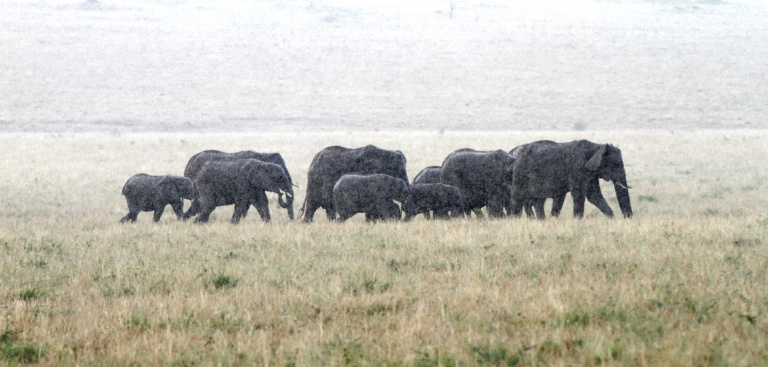
Protecting your camera from dust and rain is essential. I usually leave my cameras open in the vehicle, which hasn’t caused issues. On a multi-day safari, use common sense. Dust isn’t a big concern if your guide isn’t constantly following other vehicles. For rain, consider a plastic camera sleeve. Rainy weather often provides excellent photo opportunities, especially with animals. Remember to dry your equipment thoroughly to avoid condensation. 

I’m not too fond of polarising filters in the bush as the light conditions change often, and when it gets too dark or you are in the shade, they make the pictures too dark. A clear filter is a choice, but I believe when you keep your lens hood on, it is protected enough, and it does not make better pictures.


Note

I am well aware that I have opened up a can of worms! Professional photographers will come and debate many other settings and recommendations. Still, please remember: This works for me and probably for 90% of all other not-so-extremely talented picture-takers!

Happy Holidays. Remember to put your camera away occasionally; the bush is too beautiful to stare through a camera or iPhone.

We see it happening all the time, unfortunately.

Patrick Suverein

CEO, Ximuwu Safari Lodge and Amateur Photographer 


Ximuwu winner at the 2025 international tourism film festival

Ximuwu winner at ITFFA 2025 We are extremely proud to announce that “Ximuwu – The First Truly Accessible Safari Lodge” has been selected as a winner at the International...
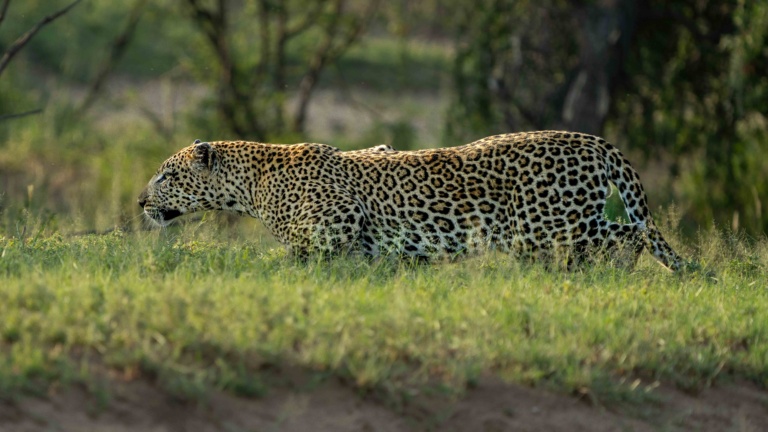
Beyond the Spots, understanding the world of leopards

Written by: Bradley & Demi Rinsma BEYOND THE SPOTS, UNDERSTANDING THE WORLD OF LEOPARDS. Leopards, known for their elusive nature and stunning beauty, are one oft he...
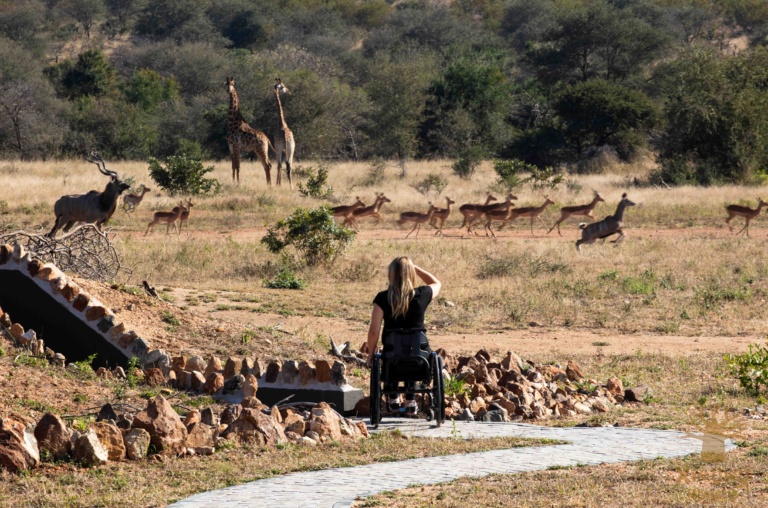
The best Holiday destination for wheelchair users

Ximuwu Safari Lodge: One of the Best Holiday Destinations for Wheelchair Users Are you looking for one of the best holiday destinations for wheelchair users? Then Ximuwu...
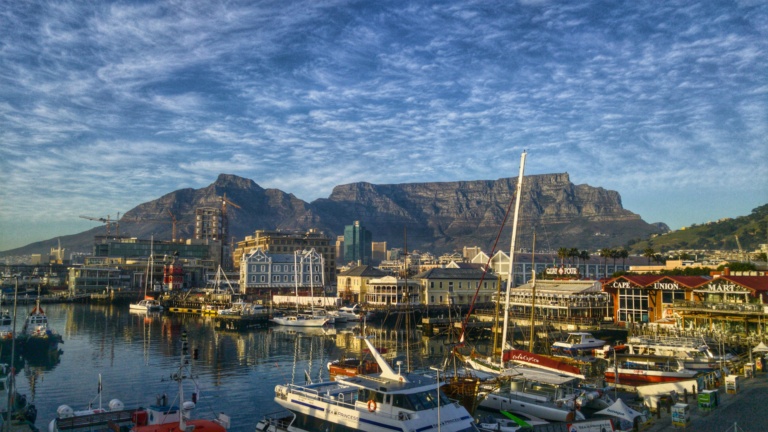
7 Days Cape Town in a wheelchair

7 DAYS CAPE TOWN IN A WHEELCHAIR Your 7-day South African adventure starts in Cape Town, where you’ll dive into a vibrant mix of cultures and traditions. Begin by...
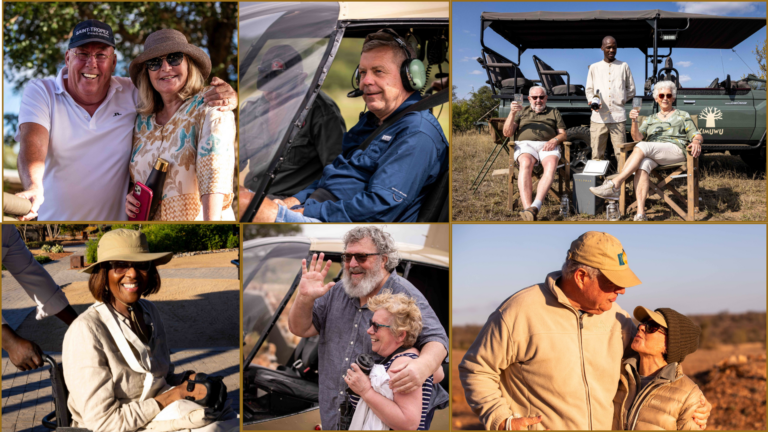
Am I too old to go on a Safari?

Am I Too Old to Go on a Safari? South Africa is perfect for senior travelers seeking amazing safaris. Its excellent tourism infrastructure makes exploring easy. Daily...
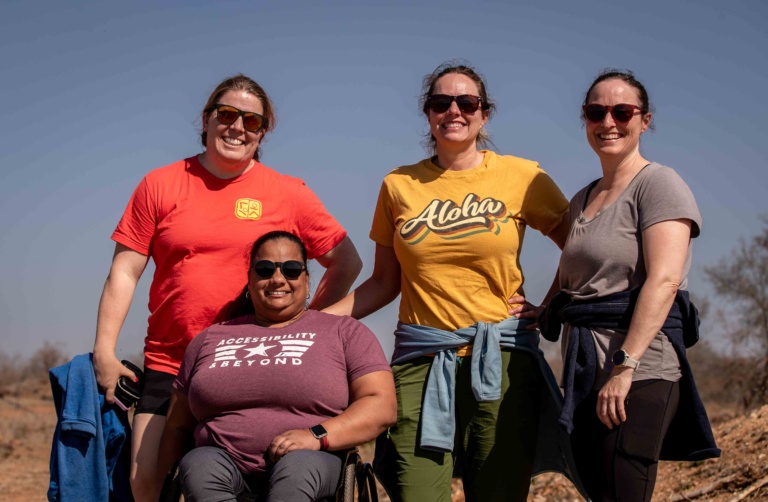
Paralympian celebrates birthday in the bush

A Unique Celebration in the African Bush Paralympian celebrates birthday in the bush. Anjali Forber-Pratt, a wheelchair racer and former world record holder in the 200...
When is the Best Time to Go on Safari

WHEN IS THE BEST TIME TO GO ON SAFARI. The question of the best time to go on safari is frequently asked by visitors to any game lodge, and the truth is, there is no...

What photo equipment to take on a safari

What photo equipment to take on safari   As an amateur photographer with seven years of experience in the bush, I’ve learned a few things about the best photo equipment...

Cathay Pacific Press Article

Cathay Pacific PRESS ARTICLE Introduction: We’re thrilled to announce Cathay Pacific has featured Ximuwu Safari Lodge in their piece on accessible travel. As the first...

social media

The Latest from Instagram

  • Who’s ready to explore the Klaserie? Rudi is on the wheel and Thulani in the tracker seat, guiding the way on a game drive full of surprises. From majestic elephants to elusive predators, every turn brings a new adventure. Come and experience the magic of the African bush like never before! ✨🐘
📷 @francoisfouriesafaris @klaserieprivatenaturereserve 

#XimuwuSafariLodge #KlaserieWildlife #SafariAdventure #GameDriveMagic #LuxurySafari WildlifeEncounters
  • Over the last few months, the Ximuwu airstrip has been alive with activity. A wildebeest herd has been spending their time here, and it’s wonderful to see that all four of their calves are still alive and growing fast. The recent rains have brought fresh, green grass, and the herd looks healthy, strong, and full of energy. It’s a joy to watch them roam and thrive right on our doorstep!

#Ximuwu #LuxurySafari #PrivateSafari #Wildlife #AfricanLuxury
  • This is where many of our favourite moments unfold. Our cosy bar and lounge area is a place to slow down, settle in and truly relax. After a day out in the bush, guests gather here to share safari stories, enjoy a drink of choice and simply take in the atmosphere of Ximuwu ✨

It’s an inviting space to read, chat, or sit quietly and listen to the sounds of nature drifting in from outside. Whether it’s a pre-dinner drink or a long evening of conversation, this is a space that quickly feels like home 🍸 

📷 @francoisfouriesafaris
  • Over the past weeks, heavy rainfall has affected large parts of the Greater Kruger region.

We feel incredibly grateful that Ximuwu Safari Lodge has not suffered structural damage. At the same time, our hearts go out to many colleagues whose lodges are located closer to rivers and lower-lying areas. For some, the damage is severe.

The good news is that the rain has now largely passed. We hope to welcome our team back to Ximuwu later this week. Our next step will be a full assessment of damage to our roads and tracks, followed by necessary repairs.

With our first guests arriving at Eastgate Airport in just a week, we are confident we can resume our normal rhythm and safari operations.

The land is lush, and the animals couldn’t be happier, with water and fresh grass everywhere!

Thank you to everyone who sent kind and supportive messages over the past weeks. We truly appreciate it. We remain fully committed to creating unforgettable safari experiences for all our upcoming guests.
  • Tucked away in the heart of the Klaserie, Ximuwu  Lodge is surrounded by one of the most special and untouched parts of the Greater Kruger. This is a place where nature still sets the pace — open landscapes, fewer lodges, and no crowds competing for the moment.

Here, game drives are about immersion rather than interruption. Long sightings, soft sounds of the bush, and the luxury of peace and quiet while wildlife goes about its day. We feel incredibly blessed to share this wild, unspoiled corner of Africa with our guests — a place where nature can truly be experienced, not rushed.
Can you imagine experiencing the African bush like this?

📷 @rudihulshof
  • A bird’s-eye view of Ximuwu ✨

Seeing the lodge from the helicopter really gives a sense of how peaceful and beautifully set it is in the bush. Our suites and main building blend perfectly into the landscape, with space, privacy and those endless views we all dream of on safari.

Can you see yourself spending a few nights here?
Book Call